

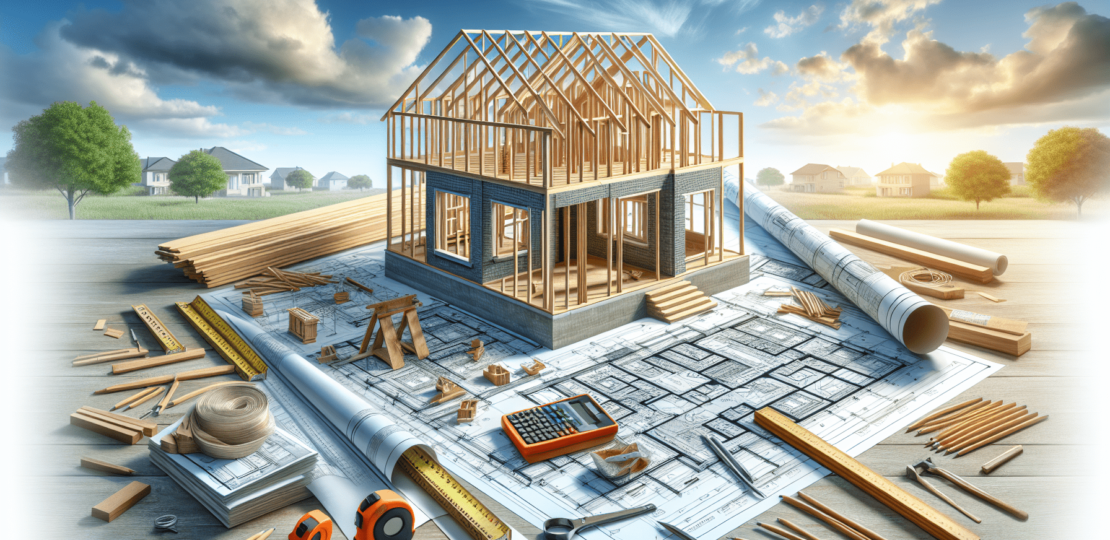
Have you ever considered building your dream home? It can be exciting to think about putting down roots in a place that you’ve designed just for you. When you start this journey, one of the most significant decisions you’ll encounter is which loan to choose for financing the construction. Each type of loan has its pros and cons, and understanding them can make your path toward homeownership smoother and more enjoyable.
Understanding Construction Loans
Construction loans are a specific type of financing designed to cover the costs of building a new home. Unlike traditional mortgages that are used to purchase an existing property, these loans are tailored to the unique aspects of construction, ensuring that you can manage the timeline and associated expenses effectively.
Types of Construction Loans
There are several types of construction loans available, each suited to different needs. Let’s break down the most common options so you can find the one that fits your plans best.
1. Construction-to-Permanent Loan
A construction-to-permanent loan is often regarded as a convenient option. This loan covers the cost of construction and then converts to a permanent mortgage once the house is completed. You only have one application process and one closing, which can save you both time and money.
Pros:
- Single closing process, reducing fees.
- Fixed or adjustable rates after construction.
- Simplified payment schedules.
Cons:
- Potentially stricter credit requirements.
- May require a larger down payment.
2. Stand-Alone Construction Loan
If the idea of having two separate loans doesn’t bother you, a stand-alone construction loan might be the way to go. This loan solely covers the construction phase, and once finished, you’ll need to obtain a separate mortgage for long-term financing.
Pros:
- Flexibility in refinancing once construction is complete.
- Typically has lower upfront costs.
Cons:
- You’ll face two closing costs.
- Higher interest rates during construction.
3. Renovation Loan
If your plans involve purchasing an existing home and then renovating it, a renovation loan is perfect. These loans help cover the cost of the home and the improvements you wish to make, often rolled into one financing option.
Pros:
- Covers both purchase and renovation expenses.
- Can increase the overall home value.
Cons:
- Requires a detailed renovation plan.
- Typically, a longer approval process.
Choosing the Right Construction Loan
Selecting the right construction loan can feel overwhelming, but breaking it down into manageable steps can help clarify what’s best for you.
Assess Your Financial Situation
Before choosing a loan, take a close look at your finances. Determine your credit score and debt-to-income ratio, and decide what kind of down payment you can afford. This knowledge will guide you in understanding which loans you can qualify for.
Consider Your Construction Timeline
Having a clear timeline for your construction project can play a significant role in your loan choice. If it’s going to take a while, a construction-to-permanent loan could save you from securing a second loan down the road.
Talk to Multiple Lenders
Don’t settle for the first offer you receive. Different lenders may provide various terms, interest rates, and loan structures. Getting multiple quotes lets you compare and find the best deal that caters to your unique needs.
Key Factors to Consider While Choosing a Loan
Now that you have an idea of the types of loans available and how to choose one, here are some key factors that can help you make a well-informed decision.
Interest Rates
Interest rates can significantly impact your overall loan cost. Keep an eye on the current rate environment and shop around for competitive rates. Even a small difference in the interest rate can lead to substantial savings over time.
Loan Terms
The length of the loan will determine your monthly payments. Construction loans often have shorter terms (usually a year or less), while permanent loans can be 15–30 years. Understanding how these terms correlate to your budget will help you plan accordingly.
Closing Costs
Closing costs are fees associated with the loan process and can vary significantly between lenders. Make sure to request a detailed list to avoid any surprises later on.
Lender Reputation
Just as important as the loan itself is the lender you choose. Research lenders and read reviews from past customers. A lender with excellent customer service can make the process less stressful.
The Application Process
Once you’ve selected the type of loan you’d like, it’s time to navigate the application process. Here’s how to break it down.
Gather Documentation
You’ll need various documents to start your loan application. These may include:
- Proof of income (pay stubs, tax returns)
- Proof of assets (bank statements, investment accounts)
- Credit history
- Detailed construction plans and budget
Preapproval
Getting preapproved is a helpful step. This process gives you an idea of how much you can borrow and showcases your seriousness to sellers and contractors.
Closing the Loan
The closing process is where you finalize your loan agreement. During this meeting, you’ll review the terms, sign all necessary paperwork, and pay your down payment and closing costs. Just like any big decision, it’s essential to read everything carefully.
Building Your Home – What to Expect
Once the loan is secured, you can start building your home. Here’s what you might experience along the way.
Finding the Right Builder
Partnering with the right builder is crucial to your project’s success. Research local builders, check their portfolios, and read reviews. Interview multiple builders, and don’t hesitate to ask for references.
Managing the Construction Process
Construction can be a complex process filled with timelines and milestones. Regular communication with your builder will help ease any concerns. Schedule regular check-ins and stay informed about the project’s progress.
Potential Challenges
Home building may come with its own sets of challenges, whether it’s budget overruns or unexpected delays due to weather. Being adaptable and having contingency plans can help navigate these bumps in the road.
After Construction – What Comes Next?
Congratulations! Your home is built. But there are a few more steps before you fully settle in.
Inspect Your New Home
Before you move in, it’s essential to conduct a thorough inspection. Document any issues and consult with your builder to resolve the problems promptly.
Finalizing Your Mortgage
Once everything is completed, work with your lender to finalize your permanent mortgage. You’ll pay off your construction loan and transition to your long-term loan terms.
Move-In Day
Once everything is set, it’s time to move in! This moment is the culmination of months (if not years) of dreaming, planning, and hard work. Enjoy it to the fullest!
Refinancing Options
If you feel that your financial situation has improved or rates drop after your home is built and you have secured your mortgage, refinancing could be a smart move.
Benefits of Refinancing
Refinancing your mortgage could offer:
- Lower interest rates.
- Reduced monthly payments.
- Access to equity for further improvements.
Check with your lender about the process and requirements for refinancing.
Frequently Asked Questions
Questions often arise in the construction loan process. Here are a few that might be on your mind.
Can I use a construction loan for renovations?
Yes, a renovation loan is essentially a construction loan aimed at properties that need upgrades or improvements.
Do I need permanent housing before applying?
While it’s not strictly necessary, having a solid construction plan and a suitable lot in mind will help streamline the process and possibly improve your chances of approval.
What if I go over budget?
You may have options like securing additional funds through refinancing or taking out a personal loan for smaller amounts. Keeping an emergency fund during construction is a wise strategy to accommodate any unexpected expenses.
Conclusion
Building a home is an exciting adventure, filled with opportunities to create a space that represents you. Choosing the right loan is crucial in turning this dream into a reality. Take your time to assess your options, understand the requirements, and plan accordingly.
Remember, the right support and knowledge can make the process easier and more enjoyable. Good luck with your journey toward your dream home!
RELATED POSTS
View all


What Is A Typical Construction Loan Interest Rate?
October 17, 2024 | by neoguruman@gmail.com
Is It Easier To Get A Mortgage Or A Construction Loan?
October 17, 2024 | by neoguruman@gmail.com